


Curriculum
- 5 Sections
- 19 Lessons
- Lifetime
- Module 1: What Are Green Governments?Define Green Governments and their core governance principles, Differentiate between direct and indirect emissions, Understand global sectoral emissions and major emitters.8
- 1.1Session 1.1: What Are Green Governments: Professor Paloma Duran
- 1.2Quiz 1.12 Questions
- 1.3Session 1.2: Learning for an Inclusive Green Economy
- 1.4Quiz 1.23 Questions
- 1.5Session 1.3: Understanding Green Governance
- 1.6Session 1.4: Key Concepts and Data
- 1.7Session 1.5: Activity5 Questions
- 1.8Additional UN Insights and Frameworks
- Module 2: Why Should Governments Go Green?Learning Objectives: Understand economic, social, and ecological benefits of green transitions, Analyze the importance of urgent action for the 1.5°C climate goal, Explore the concept of Green Economy and Climate Adaptation needs.9
- 2.1Session 2.1: Why Should Governments Go Green: Professor Paloma Duran
- 2.2Quiz 2.13 Questions
- 2.3Session 2.2: Core Rationale – Why Green Governance is a Strategic Imperative
- 2.4Session 2.3: Broken Record
- 2.5Quiz 2.24 Questions
- 2.6G20 Contribution to Global GHG Emissions (2023)
- 2.7Session 2.4: Climate Adaptation – Why It’s Essential
- 2.8Session 2.5: Activity3 Questions
- 2.9Additional UN-Driven Insights
- Module 3: Importance of Innovation in Green GovernmentsLearning Objectives: Differentiate linear and circular economy models, Explore smart governance systems and the innovation ecosystem, Understand decoupling strategies for sustainable development.6
- 3.1Session 3.1: The Importance of Innovation in Green Governments: Professor Paloma Duran
- 3.2Session 3.2: Why Innovation is Central to Green Governance
- 3.3Session 3.3: The Circularity Gap Report 2023 – Executive-Summary
- 3.4Session 3.4: Economic Decoupling – Innovation for Sustainable Prosperity
- 3.5Session 3.5: Activity4 Questions
- 3.6UN and Global Frameworks Supporting Innovation
- Module 4: Case Studies – Greening Government OperationsLearning Objectives: Analyze real-world national case studies on green reforms, Understand fiscal instruments like green bonds, taxes, and subsidy reforms, Explore best practices in public-private partnerships (PPPs).4
- Final Quiz1
UNITAR
The United Nations Institute for Training and Research (UNITAR) is a principal training arm of the United Nations, working in every region of the world. We empower individuals, governments and organizations through knowledge and learning to effectively overcome contemporary global challenges. Our training targets two key groups of beneficiaries: the delegates to the United Nations and others who develop intergovernmental agreements establishing global norms, policies, and programmes, and the key national change agents who turn the global agreements into action at the national level.
UNITAR under its 5 pillars offers various training and capacity-development activities in the thematic areas of capacity for the 2030 Agenda, strengthen multilateralism, promote economic development and social inclusion, advance environmental sustainability and green development, promote sustainable peace, and research and technology applications.
Paloma Duran, Ph.D.
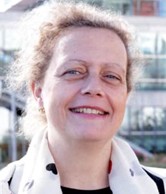
Profesora Titular in the Law School of the University Complutense
Paloma Durán earned a PhD on the Jurisprudence of the European Court on Human Rights and has since written many books and articles on Human Rights and Social Rights. She participated in many UN and European meetings, as academic, expert and adviser. She was Counselor for Human Rights and Social Affairs in the Permanent Mission of Spain to the UN during 2001/2004. During that time she was the main negotiator for many resolutions of the UN on Human Rights and Social issues, and she also was the main negotiator on those themes in UN-New York, during the Spanish Presidency of the European Union (2002).
She was one of the six experts of the Working Group of the Council of Europe on Affirmative Actions and one of the authors of the report approved by the Council. Currently, she is Profesora Titular in the Law School of the University Complutense (Madrid, Spain).