
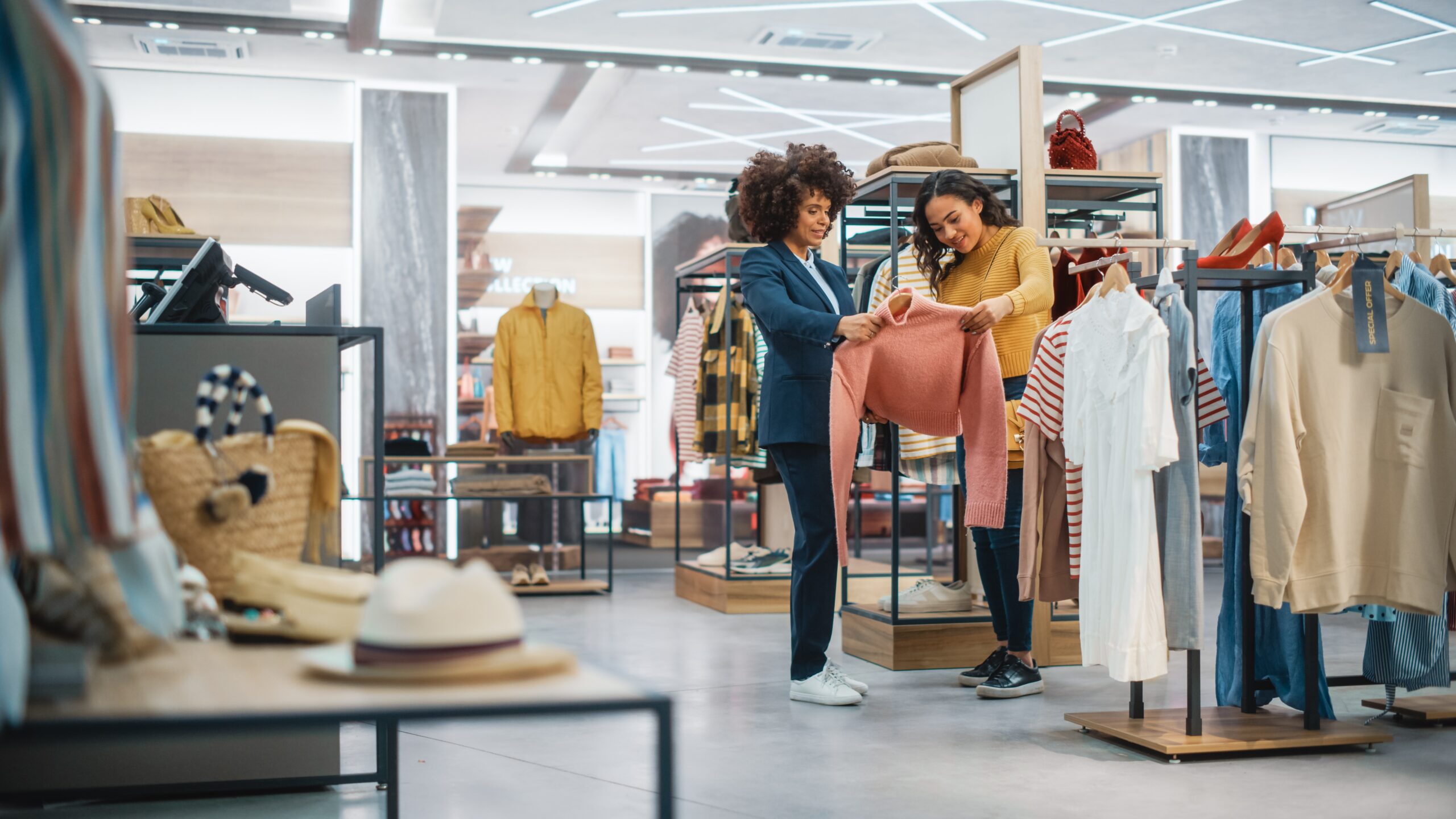
The fashion industry is competitive, with large brands lowering production costs and releasing up to 24 collections annually. As consumers buy more clothes and replace them faster, this trend has led to significant environmental consequences. Up to 85% of clothing produced each year ends up in landfills, while the fashion industry is responsible for 10% of global carbon emissions and consumes 1.5 trillion liters of water. Additionally, microplastics from clothing pollute oceans.1,2,3,4
Sustainable fashion, which focuses on quality over quantity, is gaining traction. This movement emphasizes environmentally conscious buying choices, and MSMEs are at the forefront of this change. Small businesses are producing eco-friendly clothing made from sustainable materials and using processes with lower carbon footprints. Notable examples include Bug Clothing (UK), which repurposes deadstock fabric, Tsouls (USA), which makes footwear from cork, and Joseph & Alexander (UAE), which produces swimwear from ocean plastic.
The rise of MSMEs in sustainable fashion has also led to the creation of complementary businesses, such as Sourcing Playground, a B2B platform linking brands to sustainable manufacturers, and Queen of Raw, which facilitates the buying and selling of deadstock fabric.
Additionally, MSMEs are transforming the fashion industry through biotechnology. Traditional dyes are often toxic and water-intensive, but companies like Pilio Bio (Paris) and Colorfix (UK) use enzymes and microbes to create more sustainable dyes with minimal environmental impact. Similarly, startups like Spiber (Japan) and Bolt Threads (USA) are producing sustainable fabrics using protein fibers and spider silk, reducing reliance on plant-based textiles and synthetic fibers that contribute to microplastics.
Governments around the world are supporting MSMEs in the sustainable fashion space, offering funding and access to advanced technologies. Regions like Australia, Scandinavia, and the UK, where sustainable practices are incentivized, are leading the charge. For a more sustainable consumerism future, governments must continue to encourage and promote MSMEs making responsible consumption possible.5